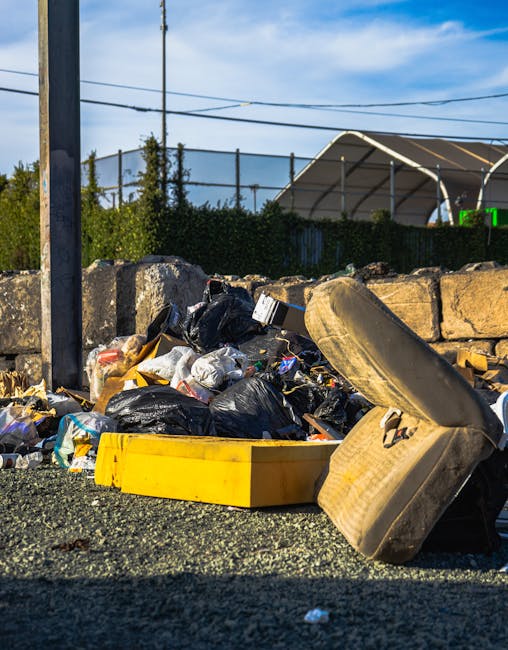
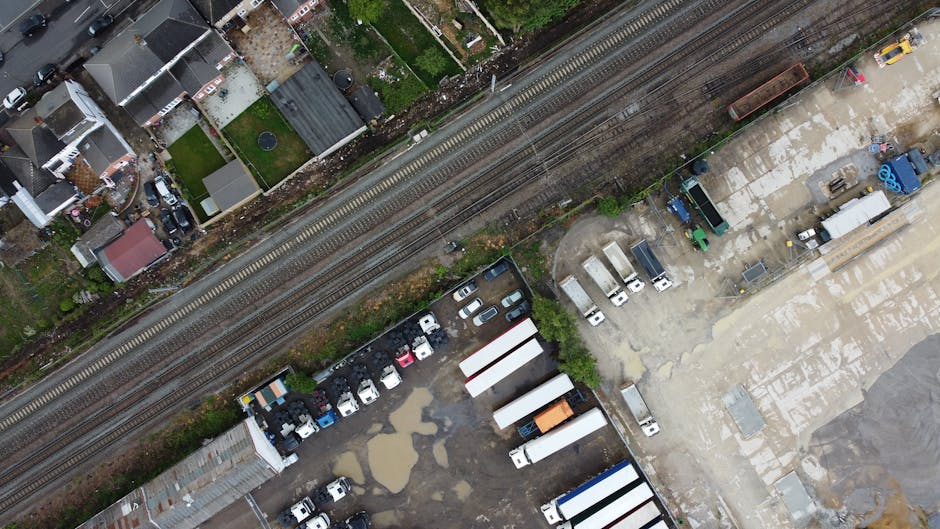
Northolt rubbish removal guide UB5 near Northolt station
If you live, work, or rent close to Northolt station, rubbish has a funny habit of building up at the worst possible time. One spare room becomes a dumping ground. A garden corner fills with broken pots and branches. A flat move turns into a pile of boxes, old furniture, and the kind of bits you meant to sort "next weekend". This Northolt rubbish removal guide UB5 near Northolt station is here to make the process clearer, calmer, and a lot less fiddly.
Whether you are clearing a one-bed flat, emptying a garage, or dealing with post-renovation waste, the basics are similar: know what needs removing, choose the right method, understand what can be taken away, and avoid the usual headaches. Near a busy station area, timing and access matter too. Tight parking, stairwells, shared entrances, and a quick turnaround can all shape the best approach.
In this guide, you will find practical advice on how rubbish removal works in UB5, when it makes sense to book a clearance service, what to ask before you commit, and how to keep things legal, tidy, and cost-aware. No fluff. Just the stuff that actually helps.
Expert summary: the best rubbish removal jobs are usually the ones planned with a quick checklist, a clear understanding of access, and a simple decision about what stays, what goes, and what needs special handling.
Table of Contents
- Why Northolt rubbish removal guide UB5 near Northolt station Matters
- How Northolt rubbish removal guide UB5 near Northolt station Works
- Key Benefits and Practical Advantages
- Who This Is For and When It Makes Sense
- Step-by-Step Guidance
- Expert Tips for Better Results
- Common Mistakes to Avoid
- Tools, Resources and Recommendations
- Law, Compliance, Standards, or Best Practice
- Options, Methods, or Comparison Table
- Case Study or Real-World Example
- Practical Checklist
- Conclusion
- Frequently Asked Questions
Why Northolt rubbish removal guide UB5 near Northolt station Matters
Northolt is a practical, lived-in part of West London. People move often, flats get refurbished, families outgrow storage, and businesses near the station need premises kept clear. That creates a steady need for rubbish removal, bulky waste collection, and general clearance services. It sounds simple on paper. In reality, the details matter.
Near Northolt station, access can be the first challenge. You may be dealing with stepped entrances, limited waiting space, neighbours coming and going, or narrow streets where a collection vehicle needs careful positioning. If you are in a flat above a shop, on an estate, or in a shared building, the difference between a smooth job and a stressful one is usually planning.
It also matters because not all waste is equal. A few black bags are one thing. A mattress, fridge, damaged wardrobe, and mixed renovation debris are something else entirely. Some items can be reused, some recycled, and some require specific handling. A good rubbish removal plan helps you avoid putting the wrong thing in the wrong place, which is where people get caught out.
And let's face it, clutter becomes mental clutter. You notice it when you walk in the door, hear the box scrape across the hallway, or smell that damp cardboard smell from a storage corner. Clearing it out is often more than tidying. It gives a bit of breathing room back.
If your clearance needs overlap with a larger property emptying, it may help to look at house clearance services or a more targeted flat clearance depending on the type of property. That choice alone can save time and avoid paying for the wrong kind of help.
How Northolt rubbish removal guide UB5 near Northolt station Works
Most rubbish removal jobs follow a fairly simple pattern, even if the actual waste looks chaotic. First, you identify what needs to go. Then you decide whether you need a single-item removal, a partial clearance, or a larger load-based service. After that, the team turns up, loads the waste, and takes it away for sorting, recycling, disposal, or specialist handling where needed.
In practical terms, the process usually looks like this:
- Assessment: You describe the items, quantity, access, and any awkward pieces such as appliances, furniture, or heavy bags.
- Estimate: A quote is prepared based on volume, labour, location, and disposal requirements.
- Booking: You choose a time that fits the building, traffic, and your own schedule.
- Collection: The crew arrives, loads the waste, and checks for anything that needs separate treatment.
- Sorting: Reusable or recyclable material is separated where possible; the rest is disposed of responsibly.
That last point is worth slowing down on. A proper rubbish removal service should not just tip everything into one heap and hope for the best. Good practice means separating waste streams where possible, especially for items like metal, timber, electrical equipment, mattresses, and appliances. If the job includes bulky household goods, you may also want to read about furniture clearance and furniture disposal so you know how those items are usually handled.
For homes with mixed waste, the service may also tie into broader waste removal support, especially when there is a combination of general rubbish, old furniture, and a few bits that need specialist attention. That kind of mixed load is common, honestly. Most people do not have neatly separated piles ready to go. They have "the cupboard corner", "the hallway stack", and "that one chair we keep meaning to fix".
Key Benefits and Practical Advantages
The big advantage of organised rubbish removal is speed. What might take you a full weekend, several trips, and a lot of lifting can often be handled in one visit. But speed is only part of the picture.
- Less physical strain: Heavy lifting is no joke, especially with stairs, awkward corners, or bulky items.
- Better use of time: You can focus on the move, renovation, sale, or clean-up rather than logistics.
- Cleaner results: Crews can clear floor areas, access routes, and hidden corners properly.
- More suitable for mixed waste: You are not forced to sort every material into a separate trip.
- Useful for landlords and agents: End-of-tenancy clearances often need a quick turnaround.
- Helpful for busy households: Life is busy enough without a pile of broken stuff in the way.
There is also a subtle but real benefit: clarity. Once the waste is gone, you can see the room properly. That sounds almost too simple, but it changes how people make decisions. A room feels larger. A property feels more saleable. A job feels finishable.
If you are dealing with outdoor waste as well, a dedicated garden clearance can be a good fit for branches, soil-filled planters, bagged green waste, and old outdoor furniture. For indoor decluttering, home clearance can be more appropriate when multiple rooms are involved.
Who This Is For and When It Makes Sense
This guide is for people in UB5 who need practical, reliable rubbish removal near Northolt station without turning the task into a whole saga. That includes:
- Homeowners clearing out a spare room, loft, garage, or garden
- Tenants at the end of a tenancy who need to leave the place tidy
- Landlords and letting agents dealing with leftover items
- Flat owners in buildings with limited storage or stair access
- Local businesses disposing of office furniture, packaging, or general clutter
- Tradespeople with renovation debris or builders' waste
It tends to make sense when the waste is too much for normal household bins, too bulky for a quick car trip, or too awkward to store. If you are looking at old desks, filing cabinets, broken shelves, or office clutter, you may want to explore office clearance or, for a business setting, business waste removal.
For renovation jobs, broken plasterboard, packaging, timber offcuts, and stripped fittings often point toward builders waste clearance. That is not the same as general rubbish removal. It usually needs a more considered approach because the load can be heavier, messier, and more mixed than people expect.
One useful test: if you are asking yourself, "Will this fit into normal life this week?" then it is probably a job worth sorting properly rather than dragging it out for months. Truth be told, a lot of clutter survives on procrastination.
Step-by-Step Guidance
Here is a straightforward way to handle rubbish removal near Northolt station without missing the small but important bits.
- Walk the property first. Make a list of what needs to go. Be specific. "Old sofa, three bags, broken table, and fridge" is better than "some junk".
- Separate special items. Put appliances, confidential papers, sharp materials, and anything potentially hazardous to one side.
- Check access. Measure narrow hallways, stair turns, door widths, and note parking restrictions if they matter. Near the station, this can make a big difference.
- Decide whether reuse is possible. A usable table or chair may be better handled through furniture reuse or dedicated disposal options rather than general waste.
- Ask for a clear quote. Understand what is included: labour, loading, sorting, disposal, and any extras for awkward access.
- Confirm timing. Choose a slot that works for neighbours, building rules, and your own diary. Early morning can sometimes be easier, though not always.
- Prepare the items. Move waste to one area if safe to do so. Keep walkways clear so the team can work efficiently.
- Check the aftermath. Make sure the space is swept or left in the expected condition, especially if the clearance is part of a move-out or sale.
For unusual items such as cooling units or white goods, a dedicated fridge and appliance removal service is often the better choice. Likewise, if you need to clear a sofa or mattress, it helps to use services designed for those bulky pieces, such as mattress and sofa disposal.
If you are doing the job yourself, the temptation is to rush. Don't. A five-minute pause to check what is in the pile can save a lot of trouble later. One odd chemical container tucked behind a shelf can change the whole plan.
Expert Tips for Better Results
After enough clearance jobs, a few patterns become obvious. The people who get the cleanest, least stressful results usually do the same small things well.
- Take photos before you book. Even a few phone shots help describe the job accurately.
- Group similar materials together. Furniture, electricals, bags, and garden waste are easier to assess when separated.
- Leave a clear route. Doors propped open, hallways cleared, and bins moved aside can make the job quicker.
- Flag awkward access early. Tight stairs, no lift, basement storage, or parking limits should be mentioned upfront.
- Ask about recycling approach. A good provider should be able to explain what is likely to be reused or recycled.
- Be honest about quantity. Understating the load can lead to frustration on the day.
Here is a small, very real-world point: if you are clearing a property after years of use, the "hidden waste" often matters more than the obvious stuff. The cupboard under the sink. The back of the shed. The loft corner with odd packaging from three different eras. That is where jobs get underestimated.
Some customers like to start with the biggest item first, just to get momentum. Fair enough. Once the bulky piece is gone, the rest often feels more manageable. Strange how that works.
Common Mistakes to Avoid
Rubbish removal is simple only if you avoid the common traps. The biggest mistakes are usually practical ones, not dramatic ones.
- Booking without checking access: If the crew cannot safely reach the items, the job slows down or becomes more expensive.
- Mixing everything together: Hazardous or restricted items should not be hidden inside a general pile.
- Forgetting appliance details: Fridges, freezers, and some electrical items need specific handling.
- Leaving it until the last minute: This is how people end up with a panic pile on the pavement. Not ideal.
- Choosing the wrong service type: A garden job, flat clearance, and builders' waste removal are similar in spirit, but not interchangeable.
- Assuming every item can go together: Some waste streams need separation. Better to ask than guess.
Another mistake is not thinking about the end goal. Are you preparing for a sale? End of tenancy? Renovation? Once you know the purpose, the job becomes clearer. A standard house clearance may suit a full empty-out, while a targeted service may be better for a few rooms or specific items.
And yes, people do sometimes forget the loft until the day before moving. Happens more often than anyone wants to admit.
Tools, Resources and Recommendations
You do not need a warehouse of equipment to organise rubbish removal, but a few simple tools help a lot.
- Mobile phone camera: Useful for recording the load and sharing accurate photos.
- Marker pen and tape: Handy for labelling keep, remove, recycle, and maybe piles.
- Gloves and sturdy shoes: Basic, but worth saying. Sharp edges and splinters have no manners.
- Measuring tape: Useful for appliances, bulky furniture, and awkward access routes.
- Dust sheets or old blankets: Helpful if you are moving items through shared hallways.
For service planning, the most useful resources are usually the ones that help you understand scope and expectations. A few of the most relevant pages on the site include pricing and quotes, what can go in a skip, and recycling and sustainability. Even if you are not using a skip, those pages help explain what tends to be accepted, what needs care, and how responsible disposal is usually approached.
If you are managing confidential papers or old records, confidential shredding may be more appropriate than putting documents in a general waste pile. That is one of those small decisions that keeps things tidy and sensible.
Law, Compliance, Standards, or Best Practice
Waste removal in the UK is not just about getting things out of sight. It also involves proper handling, safe transport, and responsible disposal. The exact legal detail can vary depending on the material, but a few sensible principles apply across the board.
First, you should treat hazardous items carefully. Paints, chemicals, oils, contaminated materials, and some electronic components may require special handling. If you suspect something is hazardous, do not hide it in a mixed pile and hope for the best. That is how avoidable problems happen.
Second, reputable providers should be able to explain how waste is handled and whether recycling is part of the process. They do not need to turn the conversation into a lecture. But they should be clear. Transparency matters.
Third, insurance and safe working practices are worth paying attention to, especially in flats, shared buildings, or properties with awkward access. If items need to be removed down stairs or through tight spaces, proper lifting, care, and route planning matter more than most people realise.
For that reason, it is sensible to review insurance and safety and the company's health and safety policy if you want reassurance before booking. Those pages are useful because they help set expectations in plain English.
Best practice also includes respecting privacy. If your clearance includes paperwork, old computer equipment, or sensitive items, handle them separately and carefully. Small detail, big difference.
Options, Methods, or Comparison Table
There is more than one way to clear rubbish near Northolt station. Which is best depends on how much waste you have, how quickly it needs to go, and what kind of items are involved.
| Option | Best for | Strengths | Limitations |
|---|---|---|---|
| Self-clearance | Very small loads and simple items | Cheap if you already have transport | Time-consuming, physically demanding, parking and disposal issues |
| Skip hire | Ongoing projects or large, steady waste volumes | Good for extended jobs and DIY waste | Space needed, permit considerations may apply, not ideal for mixed bulky items |
| Man and van style rubbish removal | Mixed waste, bulky items, flat clearances, quick turnaround | Fast, labour included, suitable for awkward access | Cost depends on load size and access |
| Specialist item removal | Appliances, mattresses, sofas, confidential materials, or hazardous items | Better handling and more appropriate disposal | Not suitable as a catch-all for every item |
For many residents near Northolt station, the middle option is the most practical. You do not always need a skip. You do not always need to do everything yourself. Sometimes the best answer is simply the one that removes the most stress with the least faff. Simple as that.
If the job includes sofas or mattresses, a dedicated route through mattress and sofa disposal is often more efficient than trying to fold it into a general clear-out.
Case Study or Real-World Example
Here is a realistic example from a typical UB5-style clearance, without dressing it up too much.
A tenant in a first-floor flat near the station was moving out at short notice. The property had a broken wardrobe, two chairs, a bed frame, a small fridge, several bags of mixed household waste, and a few boxes of old paperwork. The hallway was narrow, parking was limited, and the building had a shared entrance that needed to stay clear for neighbours.
Instead of trying to handle it in stages over several weekends, the tenant separated the paperwork, grouped the furniture by room, and measured the fridge access route. Photos were taken from the hallway and bedroom doorways. That made the quote more accurate and helped avoid surprises on the day.
The practical win was not just removing the waste. It was reducing the number of decisions. Paperwork went for shredding. The fridge was treated as a separate appliance item. The furniture and general waste were cleared together. Within a short visit, the flat looked ready for cleaning, and the tenant could focus on the move instead of staring at the same pile for another week.
That is the real value of a well-run clearance. It makes the next step possible. No drama. Just progress.
Practical Checklist
Use this checklist before you book rubbish removal near Northolt station.
- Identify every item to be removed
- Separate furniture, appliances, garden waste, and general rubbish
- Put aside anything hazardous or confidential
- Check stairs, lifts, entrances, and parking access
- Take clear photos of the load
- Measure bulky items if needed
- Confirm the type of clearance you need
- Ask what is included in the price
- Choose a time that suits neighbours and building access
- Keep walkways clear on the day
- Check the area after collection
Quick takeaway: if you prepare the space and describe the waste honestly, the whole process usually becomes easier, faster, and a lot less stressful.
Conclusion
A good rubbish removal plan in Northolt does not need to be complicated. It just needs to be sensible. Know what you want gone, think about access, choose the right type of clearance, and keep special items separate. That alone solves most of the avoidable problems people run into near Northolt station.
Whether you are clearing a flat, sorting out a garage, or dealing with mixed household waste after a move, the aim is the same: get the space back without turning the job into a weekend-long headache. With a bit of planning, that is absolutely doable.
If you are comparing your options and want a clearer path from clutter to clean space, start with a service that matches the job properly. The right fit matters more than the flashiest promise, every time.
Get a free quote today and see how much you can save.
And if you are standing in the middle of a half-cleared room right now, take heart. The worst bit is often just starting.
Frequently Asked Questions
What counts as rubbish removal in Northolt UB5?
Rubbish removal usually means collecting and disposing of general household waste, bulky items, mixed clutter, and non-hazardous materials that are too large or awkward for regular bins.
Is rubbish removal near Northolt station suitable for flat clearances?
Yes. It is often a very practical option for flats because access, stairs, and time constraints are handled as part of the job. For larger empty-outs, a dedicated flat clearance may be the better fit.
How do I know whether I need waste removal or a house clearance?
If you are clearing a few items or a mixed load, waste removal may be enough. If you are emptying multiple rooms or an entire property, a house clearance is usually more appropriate.
Can furniture and appliances be taken away together?
Often yes, but it depends on the provider and the item types. For best results, keep fridges, freezers, sofas, and mattresses identified separately so they can be handled correctly.
What should I do with a fridge or washing machine?
Appliances should usually be treated as a separate item category because they are bulky and can need special disposal. A dedicated fridge and appliance removal service is often the safest route.
Do I need to sort recycling before booking?
You do not need to sort everything perfectly, but separating obvious categories helps. It makes the quote clearer and can support better recycling outcomes.
How far in advance should I book?
For routine jobs, a little notice is helpful. For urgent move-outs or end-of-tenancy clearances, earlier is better because access and timing near the station can get busy.
Can builders' debris be mixed with household waste?
Sometimes a mixed load is possible, but builders' debris is best discussed upfront. Rubble, timber offcuts, plasterboard, and packaging are often handled differently from general rubbish.
What if I have confidential documents?
Keep them separate and ask about secure handling. A dedicated confidential shredding option is a smarter choice than putting papers in a normal clearance pile.
Are there items that cannot go in general rubbish removal?
Yes. Hazardous materials, certain chemicals, and some restricted waste types usually need specialist handling. If you are unsure, ask before the collection day so nothing gets missed.
How can I reduce the cost of rubbish removal?
Be accurate about the volume, group items together, clear the access route, and separate anything reusable or special-category. A well-prepared job is usually more efficient.
What is the best option for garden waste in UB5?
If you have branches, hedge cuttings, bags of green waste, or broken outdoor items, a dedicated garden clearance is often the neatest solution.
Where can I learn more about pricing and what is accepted?
It helps to review pricing and quotes and what can go in a skip for a useful sense of scope, load types, and common expectations.
What should I ask before I book?
Ask what is included, how access affects the job, whether recycling is part of the process, and how special items are handled. A clear answer up front saves hassle later.