Northala Fields garden waste and green rubbish collection options
If you have a growing pile of hedge cuttings, turf, branches, weeds, or general green rubbish after a weekend tidy-up, the decision gets surprisingly fiddly. Do you bag it for the local service, book a professional collection, or load it into a skip? For anyone looking at Northala Fields garden waste and green rubbish collection options, the real challenge is not just getting rid of it - it is choosing the option that is legal, efficient, and not a pain in the neck.
That is especially true after bigger garden jobs. One small sack of grass clippings is one thing. A full prune, a shed clear-out, or the aftermath of landscaping is another altogether. In this guide, we will walk through the most practical collection options, what counts as green waste, what to avoid mixing in, and how to make a tidy decision without overcomplicating it. Simple, clear, and useful. That is the goal.
Table of Contents
- Why Northala Fields garden waste and green rubbish collection options Matters
- How Northala Fields garden waste and green rubbish collection options Works
- Key Benefits and Practical Advantages
- Who This Is For and When It Makes Sense
- Step-by-Step Guidance
- Expert Tips for Better Results
- Common Mistakes to Avoid
- Tools, Resources and Recommendations
- Law, Compliance, Standards, or Best Practice
- Options, Methods, or Comparison Table
- Case Study or Real-World Example
- Practical Checklist
- Conclusion
- Frequently Asked Questions
Why Northala Fields garden waste and green rubbish collection options Matters
Garden waste looks harmless, but it creates problems quickly when it is left stacked in bags, dumped loose, or mixed with the wrong materials. Wet grass smells, branches take up more room than you expect, and thorny cuttings are no one's idea of a good afternoon. If you are near Northala Fields and trying to keep a property neat, the collection route you choose affects convenience, cost, and how much recycling is possible.
It also matters because green waste is not the same as general rubbish. A proper garden waste collection can usually send organic material into a recycling stream, where it is composted or processed separately. Mixed waste, on the other hand, tends to be more expensive and less sustainable. That difference is often overlooked.
In practice, the right choice comes down to volume, timing, and what else is in the pile. A few bags of leaves are easy. A full garden clearance after a big cutback is a different story. If you have got broken plant pots, old fencing, soil, or pressure-treated timber mixed in, the collection method changes again. A lot of people only realise that once the heap is already at the gate.
If your project is bigger than a simple tidy, it can help to think beyond "garden waste" and look at the broader service you need. For example, a full garden clearance is often a better fit when the job includes bulky waste, old furniture, or heavy garden debris alongside cuttings.
How Northala Fields garden waste and green rubbish collection options Works
Most collection options follow the same basic pattern: you separate the waste, decide how much there is, book the right service, and make sure the material is presented in a way that can be collected safely. The detail is where things go wrong, to be fair.
For light domestic waste, the council or local collection route may be suitable if you can place the waste in the required bags or bins and meet the service rules. For larger clear-ups, a private waste collection service is often easier because the team can remove everything in one visit, including awkward branches or heavy sacks. In some cases, a skip may make more sense if you are doing work over several days and want a central place to load up.
There is also the question of waste type. "Green waste" usually means organic garden material such as grass, leaves, weeds, hedge clippings, twigs, and small branches. "Garden rubbish" is broader and may also include mixed items like flowerpots, old hosepipe sections, or broken outdoor decor. Once you start mixing in soil, rubble, or household junk, the collection method needs a bit more thought.
In a typical collection, the team will want access to the material, a safe route out, and clear separation of anything not meant for green recycling. That is why a quick sort before pickup saves time on the day. It is boring. But it works.
If you are already dealing with other household items, combining services can be more practical than booking separate collections. For example, a property tidy-up might also involve a house clearance or home clearance alongside the garden waste, especially after a move, bereavement, or long-overdue declutter.
Key Benefits and Practical Advantages
The main advantage of choosing the right option is simple: less hassle. But there are a few more benefits worth spelling out.
- Faster removal: You avoid leaving damp bags or bulky branches sitting around for days.
- Better recycling: Separate green waste is easier to process responsibly.
- Less lifting for you: Heavy sacks, soil, and cuttings are awkward, especially when they have been rained on.
- Cleaner outdoor space: A clear garden feels usable again, which sounds obvious until you are tripping over bags every time you go out with the watering can.
- More suitable for larger jobs: Bigger projects often need a more flexible service than standard bin collections.
Another practical advantage is predictability. When you know what is going, how it is being handled, and whether the waste is going into a recycling stream, the whole job feels calmer. That matters when you are already juggling pruning, mowing, and the usual British weather doing its thing.
For businesses and landlords, the benefits can be even more obvious. A tidy outside area helps with presentation and avoids complaints from neighbours or tenants. If the work is part of a broader site tidy, a provider that also handles waste removal can keep things streamlined instead of turning the job into three separate calls.
Who This Is For and When It Makes Sense
These collection options make sense for a surprisingly wide range of people. Homeowners with overgrown borders, tenants clearing a patio, landlords after a tenancy change, and gardeners who have produced more waste than the bin can reasonably handle all fall into the same broad bucket.
It also makes sense if the waste is bulky, seasonal, or awkward. Autumn leaf fall. A spring prune. Ivy pulled from a fence line. A tidy-up after landscaping. These are the moments when green rubbish starts multiplying faster than expected. You start with "just a few bags" and end up with a mound that looks like it has been there all year.
You may also need a collection option if you have mixed garden debris from a more involved job. For example, if the job includes old decking, broken timber, or leftover construction materials from an outdoor project, you may need to look at builders waste clearance rather than treating it as pure green waste.
And if you are a local business dealing with outdoor maintenance, groundskeeping waste, or regular site tidies, it may be worth considering business waste removal so you have a regular, reliable route for disposal instead of piecemeal trips.
Step-by-Step Guidance
Here is a practical way to handle the job without overthinking it.
- Sort the waste into clear groups. Keep green waste separate from plastic, rubble, metal, and household rubbish.
- Check the volume. A few bags may be manageable through a standard collection route. A larger pile may need a dedicated pickup.
- Remove anything unsuitable. Old plant pots, broken tools, and treated timber usually should not be thrown in with pure green waste.
- Think about access. Can the collection team reach the pile easily, or is it buried behind hedges and wheelbarrows?
- Choose the right collection method. Small jobs, larger one-off clearances, or staged projects each have different needs.
- Prepare the waste neatly. Bag smaller material and stack branches sensibly so the collection goes quickly.
- Confirm what happens next. Ask whether the material is recycled, composted, or taken as mixed waste.
That last point is worth asking. It is easy to assume everything is treated the same way, but it usually is not. The cleaner and more separated the material is, the better the chance of it being handled in a greener way.
If you are unsure about what belongs in a container or what can be combined with other waste, it can help to read a guide like what can go in a skip. It gives you a clearer sense of where the lines are, especially if your garden job has a bit of everything in it.
Expert Tips for Better Results
A few small habits make garden waste collection easier and cheaper in practice.
- Cut long branches down first. They stack better and take up far less space.
- Keep wet and heavy material separate if possible. Soaked grass clippings can become much heavier than they look.
- Do not overfill bags. Overstuffed sacks split at the worst moment. Usually just as you are carrying them. Annoying, honestly.
- Place the pile somewhere easy to reach. A clear route saves time and reduces lifting.
- Use a tarp or sheet underneath. It helps keep paths clean and makes loading simpler.
- Book around the work, not after it. If you know a hedge trim is coming, line up the collection before the garden starts resembling a small jungle.
A practical tip from experience: separate the "obvious green" from the "maybe green" stuff as you go. That means cuttings and leaves in one place, and old plant pots, canes, labels, or bits of broken trellis in another. It saves time later and avoids disputes on the day.
For larger outdoor clearances, it can also be worth looking at the broader sustainability approach of the provider. A page like recycling and sustainability can help you judge whether the service aligns with the kind of disposal outcome you want.
Common Mistakes to Avoid
Most problems with garden waste collection are avoidable. The catch is that they are also very common.
- Mixing green waste with general rubbish. A few plastic bags, garden ornaments, or rubble fragments can change the whole load.
- Assuming soil counts as green waste. It often needs separate handling.
- Forgetting about access routes. A neatly stacked pile is no use if nobody can physically reach it.
- Leaving the waste exposed in bad weather. Rain can make everything heavier, messier, and harder to move.
- Booking the wrong size service. Too small and you need a second collection. Too large and you may be paying for more than you need.
- Ignoring sharp or awkward items. Hidden nails, broken canes, and thorny stems can catch people out.
One of the easiest mistakes to make is underestimating mixed waste. A garden clear-out often starts with hedge cuttings, but then the old broken parasol appears, then a cracked planter, then a bit of dismantled shed. Suddenly it is not a simple green waste job at all.
That is exactly why a more flexible service sometimes beats a "quick fix" collection. You want the right tool for the job, not the cheapest-looking option on paper.
Tools, Resources and Recommendations
You do not need specialist kit for a small job, but a few basic tools make everything easier.
- Heavy-duty garden bags: Better for leaves, clippings, and small light cuttings.
- Tarps or ground sheets: Useful for dragging waste to a collection point.
- Pruning shears or loppers: Helpful for reducing branch size before collection.
- Wheelbarrow or trug: Saves your back on longer routes.
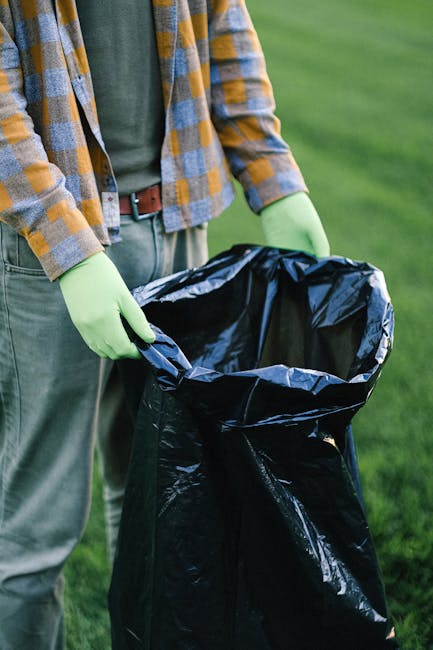
- Work gloves: Particularly important if you are dealing with thorny material or rough branches.
- Broom and dustpan: Good for the final tidy, especially after a windy day.
For bigger clearances, the most useful resource is often the service itself. If your job extends beyond green waste into bulky household items, broken outdoor furniture, or general clutter, a broader service like garden clearance or even garage clearance can prevent you from juggling multiple collections.
And if the waste has become part of a larger property clean-up, remember that related services like flat clearance or house clearance may be relevant too. It is not always just a garden problem. Sometimes it is a whole-property problem wearing a garden hat.
Law, Compliance, Standards, or Best Practice
When garden waste is collected in the UK, the key principle is that waste should be handled responsibly, by a legitimate operator, and in a way that supports proper recycling where possible. You do not need to become a waste-law expert, but it does help to follow best practice.
For householders, the most important thing is to separate waste honestly and avoid putting prohibited items into a green waste load. For landlords, trades, and businesses, the expectation is a little higher: you should make sure waste is passed to a provider that can handle it properly and keep records where necessary. The exact requirements can vary depending on the type of waste and the circumstances, so caution is wise.
A few plain-English best-practice rules help a lot:
- Do not mix garden waste with hazardous items.
- Keep recyclable organic waste as clean as possible.
- Ask how the waste is handled after collection.
- Use a service with clear terms, insurance, and safety standards.
For related reassurance on service standards, it is sensible to look at pages such as health and safety policy and insurance and safety. Those details are not just paperwork. They tell you whether the operator takes the practical side seriously.
If anything looks potentially hazardous - for example, chemicals, contaminated materials, or suspect residues - it should not be treated as ordinary green rubbish. In those cases, hazardous waste disposal is the safer route.
Options, Methods, or Comparison Table
Choosing between collection methods becomes much easier when you compare them side by side. The right answer depends on convenience, volume, and how mixed the load is.
| Option | Best for | Advantages | Drawbacks |
|---|---|---|---|
| Council or local green waste collection | Smaller, sorted garden waste | Convenient for light routine disposal | May have size, timing, or presentation limits |
| Private garden waste collection | One-off or larger loads | Flexible, faster, can take awkward loads | Cost depends on volume and access |
| Skip hire | Ongoing garden projects | Useful if waste builds up over several days | Requires space and careful sorting |
| Full garden clearance service | Mixed outdoor waste and bulky debris | Best for complicated, time-saving clear-outs | May be more than needed for a tiny load |
As a rough rule of thumb, the smaller and cleaner the load, the more likely a simple collection route will work. The more mixed, bulky, or time-sensitive the job becomes, the more valuable a dedicated clearance service is. There is no magic formula. Just a bit of honest judgment.
If price is a major factor, it helps to compare service scope rather than just the headline figure. A slightly higher quote can be better value if it saves you multiple trips, sorting headaches, or a second booking. For more clarity on that side of things, the pricing and quotes page is a useful place to understand how costs are typically presented.
Case Study or Real-World Example
Here is a realistic example. A small front and back garden has had a hard spring tidy-up after a wet winter. There are hedge trimmings, three bags of leaves, a few small branches, and a broken planter. At first glance it feels like a straightforward green waste job. But once everything is gathered, the heap also includes a chunk of old fencing and some soil from a border repair.
That changes the picture. The cuttings and leaves are clearly green waste. The planter may be recyclable depending on material, but the fencing and soil need separate consideration. In that situation, a mixed collection or a broader clearance service is often less stressful than trying to force everything into one category.
The homeowner in this kind of situation usually wants three things: the garden cleared quickly, the waste handled properly, and no mess left behind on the paving. A good provider should be able to make that feel almost boringly smooth. Which, let's be honest, is exactly what you want on a Saturday morning.
Sometimes the real win is not the collection itself. It is the feeling when the area is finally usable again. You can hear the birds properly, the patio is visible, and you are no longer side-stepping soggy sacks every time you go out for the recycling.
Practical Checklist
Use this simple checklist before booking or presenting your waste.
- Have I separated green waste from general rubbish?
- Have I removed soil, rubble, and hazardous items if they are not allowed together?
- Is the waste easy to access for collection?
- Have I cut large branches down to a manageable size?
- Are bags strong enough and not overfilled?
- Do I know whether I need a simple collection, a skip, or a full clearance?
- Have I checked whether any mixed items need a different service?
- Is the route clear, dry enough, and safe to walk?
- Do I understand what happens to the waste after pickup?
- Have I made sure the chosen service matches the size of the job?
If you can tick most of those off, you are in good shape. If not, pause for ten minutes and sort the pile properly. It saves trouble later, honestly.
For readers with wider clearance needs, a broader service such as furniture clearance or furniture disposal may also be worth considering if the garden tidy is part of a bigger decluttering job.
Conclusion
Northala Fields garden waste and green rubbish collection options are really about matching the waste to the right route. Small, clean garden cuttings may fit a routine collection. Bigger, mixed, or awkward loads usually need something more flexible. The best choice is the one that keeps the process simple, safe, and properly handled from start to finish.
If you sort the waste carefully, think about access, and choose the right service for the size of the job, you will save time and usually money too. More importantly, you will avoid the common frustration of a collection that turns out not to fit the pile after all. That little bit of planning goes a long way.
Get a free quote today and see how much you can save.
And once the mess is gone, you get the pleasant part back: a quieter, clearer outdoor space that feels ready for the next sunny spell, whenever London decides to deliver one.
Frequently Asked Questions
What counts as green waste in garden collection?
Green waste usually means organic garden material such as grass cuttings, hedge trimmings, leaves, weeds, and small branches. It is best kept separate from plastic, rubble, treated timber, and household rubbish.
Can I put soil in with garden waste?
Not always. Soil is often treated differently from light green waste because it is heavy and may need separate handling. If your load includes a lot of soil, it is worth checking the collection method first.
Is a skip better than a garden waste collection?
It depends on the job. A skip can be useful for ongoing work, while a dedicated garden waste collection is often easier for one-off clear-ups. If the load is mixed or bulky, a broader clearance service may suit you better.
What should I do with old plant pots and broken garden furniture?
Those items usually should not go in pure green waste. Plant pots, broken chairs, and similar bits are often better handled through a mixed waste or garden clearance service.
How do I know if my garden waste is too much for a normal collection?
If you have multiple large bags, thick branches, mixed debris, or items that are hard to carry, you are probably beyond the "simple tidy-up" stage. At that point, a dedicated collection or clearance service usually makes more sense.
Can garden waste be recycled?
Yes, a lot of it can. Clean green waste is often suitable for composting or other organic recycling routes, which is why separation matters so much.
What happens if I mix rubbish with green waste?
It can reduce recycling options and may mean the whole load needs different handling. In practical terms, that can increase cost or delay collection.
Do I need to bag my garden waste before collection?
Often yes, especially for lighter waste like leaves and clippings. Branches may be accepted loose if they are stacked neatly, but it depends on the service and the collection arrangement.
Is garden waste collection suitable for landlords or businesses?
Yes, particularly if there are regular groundskeeping or site maintenance needs. In those cases, business waste removal can be a better long-term fit than occasional one-off bookings.
What if my garden waste includes something hazardous?
Do not mix it with ordinary garden waste. If there are chemicals, contaminated materials, or anything that seems risky, it should be handled separately through hazardous waste disposal.
How can I make collection day easier?
Sort the waste in advance, keep the route clear, and place the pile somewhere easy to reach. A little preparation makes the job faster, cleaner, and far less stressful.
Where can I find more help if my clearance includes household items too?
If the job has spread beyond the garden, it may be worth looking at related services such as house clearance, home clearance, garage clearance, or loft clearance, depending on what else needs moving.
How do I choose a reliable provider?
Look for clear service information, sensible safety standards, and a straightforward explanation of how waste is handled. Pages like about us, health and safety policy, and recycling and sustainability can help you judge whether the provider feels trustworthy and well organised.