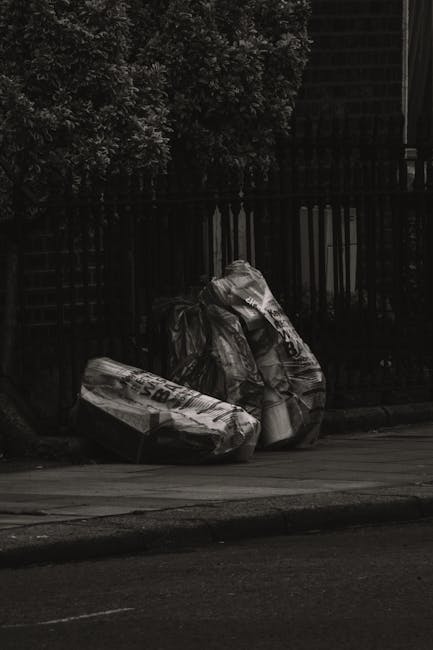
Ealing Council bulky waste rules and rubbish permits in Northolt: a practical guide for households, landlords, and local businesses
If you are trying to clear a sofa, broken wardrobe, builder's offcuts, or a pile of garden waste in Northolt, the rules can feel oddly fiddly. One minute you are looking at bulky waste collection guidance, the next you are wondering whether a permit is needed, whether the item counts as household rubbish, and what to do if the waste is too much for a normal collection. That is exactly where understanding Ealing Council bulky waste rules and rubbish permits in Northolt saves time, stress, and avoidable mistakes.
This guide breaks it down in plain English. You will get a practical overview of what bulky waste usually means, where permits may come in, how to decide between council collection and private removal, and the common traps people run into when they are in a rush. If you want the quick version: check the item type, separate hazardous or restricted materials, and make sure you are using the right route for the amount and source of waste. Simple enough in theory. In practice, not always.
For readers who also need help with larger clear-outs, you may find it useful to explore general waste removal or more specific services such as house clearance and furniture disposal when the job is bigger than a single bulky item.
- In one sentence: bulky waste rules are about what can be collected, how it should be presented, and whether extra permissions or a licensed removal route are needed.
- In Northolt: you are likely dealing with council collection rules, property access issues, and practical restrictions around skips, side roads, and parking.
- In real life: the best choice is usually the one that avoids repeat handling, avoids council rejection, and keeps everything compliant.
Table of Contents
- Why Ealing Council bulky waste rules and rubbish permits in Northolt Matters
- How Ealing Council bulky waste rules and rubbish permits in Northolt Works
- Key Benefits and Practical Advantages
- Who This Is For and When It Makes Sense
- Step-by-Step Guidance
- Expert Tips for Better Results
- Common Mistakes to Avoid
- Tools, Resources and Recommendations
- Law, Compliance, Standards, or Best Practice
- Options, Methods, or Comparison Table
- Case Study or Real-World Example
- Practical Checklist
- Conclusion
- Frequently Asked Questions
Why Ealing Council bulky waste rules and rubbish permits in Northolt Matters
Bulky waste rules matter because they shape what happens next. A mattress leaning in the hallway, a cracked fridge in the garage, or a flat-pack mountain after a move-out may look like a straightforward clean-up. But if you get the process wrong, you can end up with missed collections, extra charges, blocked access, or waste that simply sits there longer than it should. Nobody wants that smell drifting through the place by Thursday morning.
In Northolt, where homes can vary from compact flats to family houses with tight driveways and shared access, the practical side of disposal matters just as much as the rulebook. A bulky waste collection may be suitable for a single item or two. A permit or licence issue may appear when you are using a skip, placing materials on the highway, or arranging a job that affects parking or access. The details change depending on the situation, so it pays to check before you book anything.
There is also a bigger picture. Proper disposal helps protect pavements, neighbours, and shared spaces. It reduces fly-tipping risk, keeps recyclable materials in the right stream, and makes it less likely that a collection is rejected because an item is contaminated or poorly prepared. For many residents, that is the difference between a tidy job and a week of back-and-forth. Bit of a headache otherwise.
Expert summary: the safest approach is to identify the waste type first, then match it to the right disposal route. That usually means council bulky waste, licensed private removal, or a skip with the correct permit arrangements.
How Ealing Council bulky waste rules and rubbish permits in Northolt Works
The phrase "bulky waste" generally refers to larger household items that are too big for normal bin collections. Think wardrobes, beds, sofas, tables, and similar items. The exact acceptance rules depend on the collection provider, item condition, and whether the waste is domestic, trade, or mixed. The important thing is not to assume that "big item" automatically means "simple collection." It doesn't always work that way.
Rubbish permits come into the picture when the disposal method requires formal permission. In practice, that often means a skip placed on public land, but permit rules can also affect where and how waste is stored before collection. If your property layout in Northolt makes access awkward, you may need to consider whether the vehicle can park safely, whether a skip can be positioned legally, or whether another method is more suitable.
For example, a resident clearing an old sofa and two chairs from a ground-floor flat may be fine with a straightforward bulky waste collection. A landlord clearing a full flat after tenants have left, with bags, broken furniture, a fridge, and some loose building debris, is in a very different situation. At that point, a more complete service such as flat clearance or home clearance may be the calmer route.
If the waste includes items like paint tins, solvents, fridges, or anything that could be classed as hazardous, stop and check first. Those items often need separate handling, and mixing them with ordinary bulky waste can create compliance problems. You do not want a collection team turning up, taking one look, and refusing half the load. Happens more often than people think.
Key Benefits and Practical Advantages
Getting the rules right is not just about avoiding trouble. It can make the whole job cleaner, faster, and cheaper in real terms. When you know whether something qualifies as bulky waste, whether a permit is required, and what can be left out for collection, you can make better decisions from the start.
- Fewer delays: you are less likely to face a rejected booking or a last-minute reschedule.
- Lower risk of penalties or disputes: especially where skips, highway access, or illegal dumping concerns are involved.
- Better recycling outcomes: items can be sorted and sent to the right destination more easily.
- Less physical effort: one well-planned collection is better than moving the same sofa three times.
- More predictable costs: you can compare council collection, private removal, and skip-based options on a fair basis.
There is also a practical comfort to all this. Once you know the route, the job stops hanging over you. That matters if you are mid-move, juggling a renovation, or trying to empty a relative's property with limited time. People often underestimate the mental load of clutter. The room feels quieter when the last heavy item finally leaves.
For larger or mixed loads, it may help to review pricing and quotes before you decide. If you are comparing options, knowing what is included makes the choice much easier.
Who This Is For and When It Makes Sense
This topic matters to more people than you might expect. It is not just for homeowners with an old sofa. In Northolt, the practical scenarios stack up quickly.
- Homeowners: replacing large furniture, clearing a garage, or preparing a property for sale.
- Tenants: leaving a flat in good order and removing bulky household items without breaching tenancy expectations.
- Landlords and letting agents: dealing with end-of-tenancy clear-outs, abandoned items, and left-behind furniture.
- Builders and trades: managing non-hazardous site waste, offcuts, and leftover materials after small works.
- Small businesses: replacing office furniture, clearing stockrooms, or disposing of old equipment.
It also makes sense when the waste is too awkward for standard bins but not large enough to justify an overcomplicated solution. Sometimes you only need one item removed. Sometimes it is a small mountain. The decision should be based on volume, item type, timing, and access, not guesswork.
If the job involves a lot of furniture, a dedicated service such as furniture clearance can be more efficient than treating each item separately. Likewise, if the waste is concentrated in one room or an entire property, house clearance or office clearance may fit better.
Step-by-Step Guidance
Here is the simplest way to approach bulky waste or permit questions in Northolt without making the job harder than it needs to be.
- List every item. Write down what needs removing, including any awkward extras like appliance cables, drawers, or loose fittings.
- Separate by type. Keep furniture, green waste, general rubbish, electrical items, and hazardous materials apart.
- Check whether the item is bulky or restricted. Sofas and wardrobes are usually straightforward bulky items. Fridges, chemicals, and certain construction materials are not.
- Look at access. Can a vehicle park nearby? Will there be staircases, narrow halls, or a need for lifting downstairs?
- Decide the route. Council bulky waste collection, permit-based skip use, or a licensed private removal service may be the best fit.
- Prepare the waste properly. Empty items, remove loose contents, and keep recyclable or hazardous material separate where possible.
- Book and confirm. Make sure the service understands exactly what is being collected. A few extra words at booking can save a failed visit later.
If you are dealing with heavier items like white goods or a worn-out mattress, it is worth checking whether a specialist service is more suitable. For example, fridge and appliance removal is a different job from ordinary furniture removal, and mattress and sofa disposal often needs a more careful approach because of size and handling.
A small but useful tip: take photos before booking. Not glamorous, but extremely practical. A couple of pictures from the doorway can help avoid misunderstandings about size, quantity, and access. Especially if the item looks harmless until you try to turn it around the corner.
Expert Tips for Better Results
After dealing with a fair few clear-outs, a pattern becomes obvious: the smooth jobs are usually the ones where the waste was sorted before anyone arrived.
- Measure larger items early. A sofa or wardrobe that is technically "one item" may still be awkward to carry through a narrow hall.
- Check hidden contents. Drawers, cupboards, and appliance compartments often contain small items that should be removed first.
- Keep electronics separate. Mixed loads are more likely to cause delays or require separate handling.
- Think about parking. In Northolt, access can be the difference between a quick collection and a long, frustrating wait.
- Use the right service for the scale. A single chair does not need the same setup as a whole property clearance.
There is also a judgment call around value. If something is reusable, repairable, or can be dismantled, that may influence the most sensible route. On the other hand, if the item is water-damaged, heavily worn, or riddled with old fixings, disposal becomes the cleaner option. No need to overthink a shredded armchair. Let's be honest, some things have already had their life.
For waste planning and disposal choices, pages such as recycling and sustainability and what can go in a skip can help you think through materials before you book.
Common Mistakes to Avoid
Most problems with bulky waste and permits come from rushing. Fair enough, people are busy. But a rushed booking can turn into a rejected collection or a half-finished job that sits there for days.
- Assuming every large item is accepted: some materials and appliances are restricted or need special handling.
- Mixing waste streams: keeping builders' debris, garden waste, and household furniture in one pile can complicate collection.
- Forgetting access issues: a vehicle that cannot safely reach the property causes avoidable delays.
- Using the wrong route for the waste type: a permit issue is not the same as a bulky waste collection question.
- Leaving hazardous items in the load: this is the one that tends to cause the most trouble.
- Underestimating volume: what looks like "a couple of things" often becomes two van loads once you start moving it.
One real-world example: a family clearing a spare room thought they only had an old bed and a broken table. Once the mattress was flipped and the cupboard emptied, there were bags of books, loose wires, and a small heater tucked behind the wardrobe. Perfectly ordinary, but enough to change the disposal plan. These little surprises are normal, which is why a quick pre-check helps so much.
Tools, Resources and Recommendations
You do not need specialist equipment to handle most domestic bulky waste, but a few simple tools make the job much easier.
- Tape measure: useful for confirming whether large furniture can be moved safely.
- Strong gloves: especially for old furniture, broken fittings, or rough-edged materials.
- Dust sheets or bags: handy if the items are stored in a loft, garage, or damp shed.
- Phone camera: photographs are incredibly helpful for quoting and planning.
- Labels or coloured tape: good for marking what stays, what goes, and what needs separate handling.
If you are sorting a larger property, services such as garage clearance and loft clearance can be especially useful. These spaces tend to hide a lot more than people remember. You open the door and there it is: old paint tins, a broken pram, half a bike, and something you cannot quite identify.
For businesses, business waste removal is often a better fit than trying to adapt household waste methods. That keeps the process cleaner and avoids confusion over what the waste actually is.
Law, Compliance, Standards, or Best Practice
While this guide avoids pretending to give formal legal advice, there are a few common-sense compliance points worth keeping in mind. In the UK, waste should be handled responsibly, passed to an appropriate carrier, and kept separate where its nature requires it. That includes being careful with electricals, appliances, and anything that could be hazardous.
Best practice is simple: do not leave waste where it could create a nuisance, obstruct access, or end up on the public highway without proper permission. If a skip or container is involved, check whether permission is required before placing it outside private land. If the waste is from a business, make sure it is documented and handled as business waste, not domestic rubbish. Those distinctions matter.
For potentially sensitive or controlled materials, use a proper route rather than improvising. Hazardous waste, confidential documents, and some appliance types need more careful handling. You may also want to review hazardous waste disposal and confidential shredding if those issues are part of your job.
The useful rule of thumb is this: if you are unsure whether the item can go with ordinary bulky waste, treat it as needing separate confirmation. That approach is not over-cautious; it is just sensible. Saves a lot of mucking about later.
Options, Methods, or Comparison Table
Choosing the right route is usually easier when you compare the main options side by side. The best method depends on quantity, item type, urgency, and access.
| Option | Best for | Pros | Things to watch |
|---|---|---|---|
| Council bulky waste collection | Single or limited household bulky items | Simple for small jobs, familiar process | May not suit mixed loads, restricted items, or urgent clear-outs |
| Skip with permit arrangements | Larger DIY, renovation, or mixed waste loads | Good for ongoing work, flexible volume | Permit and placement rules can apply, plus filling restrictions |
| Licensed private removal | Fast clear-outs, awkward access, complete property jobs | Less lifting for you, more flexible scheduling | Needs clear quoting and a trustworthy provider |
As a rule, bulky waste collection makes sense when the load is small and predictable. Skip hire works well when you are generating waste over time. Private removal is often the easiest route when you want the job gone in one go, or when the property layout makes self-management a nuisance.
If you are comparing methods, it may also help to look at builders' waste clearance for renovation debris and garden clearance for outdoor waste. These services suit different waste profiles, and matching the method to the material is half the battle.
Case Study or Real-World Example
Here is a typical Northolt scenario. A family is clearing a semi-detached house after a loft conversion and a room redecoration. They have an old sofa, two wardrobes, a broken chest of drawers, some bags from the attic, and a few bits of mixed debris from the renovation. At first glance, it seems manageable, but the mix of items makes it less straightforward than a single bulky waste booking.
They start by separating the furniture from the loose waste. The sofa and wardrobes are grouped for removal, while the small offcuts and bags are kept apart. One wardrobe turns out to be far heavier than expected because it is still partly assembled, which means it would be awkward to carry down the stairs. That changes the plan. Instead of forcing it into a standard collection slot, they go for a broader clearance approach and arrange the furniture and mixed waste together.
The result is a cleaner, faster job. No multiple handling. No confusion at the kerb. And no awkward moment where someone stands in the doorway saying, "I thought that would all fit." It rarely does, to be fair.
That kind of planning is exactly why people in Northolt often benefit from a more complete service, especially when the waste spans more than one category. A full home clearance or targeted furniture clearance can be a better match than trying to squeeze everything into one rigid collection type.
Practical Checklist
Use this checklist before you book or place anything out for collection.
- Have I listed every item that needs removing?
- Have I separated furniture, electricals, green waste, and hazardous items?
- Do I know whether the item is acceptable for the chosen collection route?
- Is access clear for lifting, loading, or vehicle parking?
- Have I checked whether a permit or permission is needed for the disposal method?
- Have I removed loose contents from drawers, cupboards, and appliances?
- Do I need a specialist service for fridges, mattresses, or construction waste?
- Have I asked for a quote that reflects the full load, not just the obvious items?
- Have I kept any confidential or sensitive material separate?
- Do I have photos ready in case I need to explain the job more clearly?
If you want to plan around a booked collection or understand service expectations, book online is a useful starting point, and you can review payment and security for a clearer sense of what to expect during the process.
Get a free quote today and see how much you can save.
Conclusion
Getting to grips with Ealing Council bulky waste rules and rubbish permits in Northolt is mostly about making the right choice early. Once you know what kind of waste you have, how much of it there is, and whether access or permission could be an issue, the rest becomes much more manageable. That is the real win here: less uncertainty, fewer surprises, and a cleaner finish.
For a single bulky item, a straightforward collection may be enough. For mixed loads, full-property clearances, awkward access, or time-sensitive jobs, a more flexible removal route is often the smarter move. Either way, the same principle applies: sort it properly, confirm the details, and do not leave anything to guesswork.
And once it is all gone, the space feels different. Quieter. Lighter. A bit like taking a deep breath in a room that has finally had enough of the clutter.
Frequently Asked Questions
What counts as bulky waste in Northolt?
Bulky waste usually means larger household items that are too big for normal bin collection, such as sofas, beds, wardrobes, tables, and some appliances. The exact acceptance can vary depending on the collection route and item condition.
Do I need a permit for bulky waste collection?
Not always. A permit is more commonly tied to the placement of a skip or any container that needs to sit on public land. Bulky waste collection itself may not need a permit, but access and placement rules still matter.
Can I put a fridge out with other bulky waste?
Usually it is better to separate fridges and similar appliances from ordinary furniture. Appliances can need specialist handling, so check in advance rather than mixing them into the general load.
What happens if I leave the waste in the wrong place?
If waste is left where it blocks access, creates a nuisance, or is placed without the right permission, it can lead to delays or removal problems. In some cases, the collection may not go ahead at all.
Is a skip better than a bulky waste collection?
It depends on the job. A skip is often better for ongoing DIY or renovation waste. Bulky waste collection is usually more suitable for a few large household items. If you have mixed waste, a wider clearance service may be easier.
What should I do with hazardous items?
Do not mix them with ordinary bulky waste. Items such as chemicals, solvents, and some appliance-related materials may need separate handling. If in doubt, confirm before booking.
Can I use a private waste removal service instead of the council?
Yes, many people do. A private service can be useful when the job is urgent, the access is awkward, or you have a larger mixed load. It is still important to use a properly managed and suitable disposal route.
How do I know if my item is too large for standard collection?
If it cannot be safely lifted, carried, or loaded without special handling, it is likely beyond a standard bin collection. Measuring the item and checking access points can help you decide quickly.
What is the most common mistake people make?
The most common mistake is underestimating the load. People often think they have one or two items, then discover more waste once cupboards, drawers, and storage spaces are emptied. That is why a full check first is so useful.
Are furniture and mattress disposal the same thing?
Not quite. Mattresses often need different handling because of size, hygiene, and collection requirements. Furniture is broader and may include many different materials and shapes. If both are involved, plan for them separately.
Can builders' waste go with household bulky waste?
Sometimes not. Builders' waste can include rubble, plaster, timber, and mixed renovation materials, which often follow different rules from ordinary household bulky items. It is better to separate them and use the right service.
Who should I contact if I am unsure about the best option?
If you are uncertain, ask for a quote and describe the items clearly. A good provider will help you match the waste to the right route and avoid avoidable issues. For general advice and service information, you can also review contact information or read more about the company background.